Ethiopia’s Climate Initiatives
A continental leader in climate action — from the Green Legacy planting movement and one of Africa’s largest renewable grids to nationwide land restoration and a transition to electric mobility.
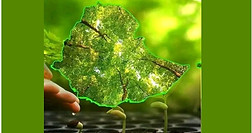
Climate-Resilient Green Economy (CRGE)
Ethiopia launched the CRGE Strategy in 2011 — the founding framework to pursue middle-income growth while keeping emissions low and building resilience against droughts and climate shocks, on the path to a carbon-neutral economy.
Sustainable agriculture
Climate-smart production that protects soil, water, and rural livelihoods.
Forest protection
Conserving and expanding forest cover to store carbon and shield ecosystems.
Renewable energy
Clean power from hydro, wind, geothermal, and solar at national scale.
Green transport
Low-carbon mobility powered by Ethiopia’s renewable electricity.
Efficient industry
Energy-efficient industrial growth that decouples output from emissions.
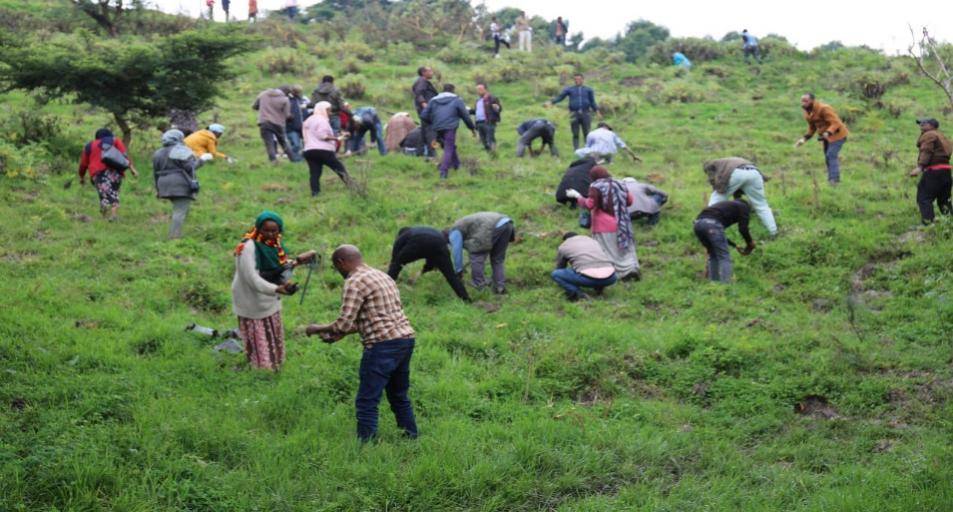
Nationwide Green Legacy tree-planting campaign.
The Green Legacy Initiative
Launched in 2019 under Prime Minister Abiy Ahmed, the Green Legacy Initiative is a nationwide movement to combat climate change, restore degraded ecosystems, and drive sustainable development through large-scale tree planting.
It has mobilised millions of Ethiopians — communities, schools, government, the private sector, and civil society — and planted billions of seedlings, making Ethiopia a leading example of climate action in Africa.
Key focus areas
Mass tree planting
Nationwide annual campaigns planting billions of seedlings across urban and rural areas.
Reforestation & land restoration
Rehabilitating degraded land, cutting soil erosion, and improving water retention.
Climate mitigation
Expanding forest cover to sequester carbon and reduce greenhouse-gas emissions.
Biodiversity conservation
Protecting ecosystems and restoring Ethiopia’s rich biological diversity.
Community engagement
Public participation plus environmental education and sustainable practices.
Green economic development
Green jobs, sustainable livelihoods, and climate-resilient growth.
Billions of seedlings planted each year
* 2025 is a target. Striped bar denotes the planned figure.
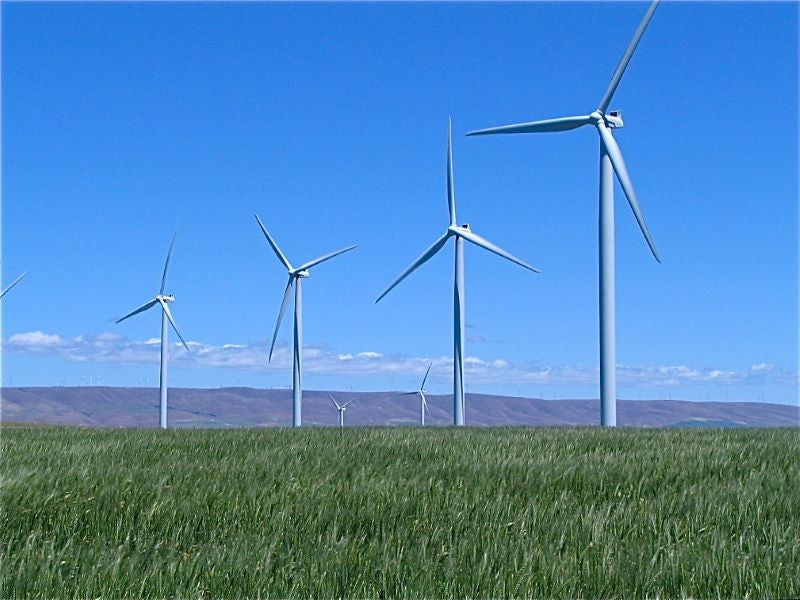
Renewable Energy Development
Ethiopia is one of Africa’s leaders in renewable energy, building a diversified, climate-resilient grid from hydropower, wind, geothermal, and solar — transitioning from a 90% hydro-reliant system toward a balanced clean mix.
Electric Mobility
Ethiopia is promoting electric vehicles and limiting some gasoline-car imports to cut fossil-fuel dependence and transport emissions — powered by the country’s largely renewable electricity.
Climate goals
Government plans
Sustainable Agriculture as Climate Action
Agriculture supports most of Ethiopia’s population and is highly exposed to climate change. The goal: grow more food while protecting natural resources and reducing climate risk.
Climate-smart agriculture
Drought-resistant varieties, improved seeds, efficient irrigation, and better techniques.
Soil & water conservation
Terracing, tree planting, watershed management, and erosion control to restore land.
Agroforestry
Trees with crops and livestock improve fertility, store carbon, and lift incomes.
Sustainable livestock
Better feeding, breeding, and grazing raise productivity and cut emissions.
Water harvesting & irrigation
Small-scale schemes and rainwater harvesting buffer drought and irregular rains.
Climate benefits
Sustainable Land Management (SLM)
A flagship landscape-restoration and climate-resilience programme tackling land degradation, soil erosion, water scarcity, and declining productivity across Ethiopia’s highland and rural farming systems — evolving across four major phases since 2008.
Strategic Investment Program (SIP)
Built the national framework: institutional strengthening, scaling up SLM practices, land-monitoring systems, and improved watershed management.
Sustainable Land Management Project II (SLMP-II)
Expanded into multiple watersheds across six major regions — reducing degradation, strengthening land certification, and improving climate resilience through integrated watershed management and community participation.
6 major regionsClimate Action Through Landscape Management (CALM)
A large-scale expansion backed by a $500 million World Bank grant — landscape restoration, adaptation & mitigation, community watershed governance, and land-administration reform across hundreds of watersheds.
$500M World Bank grant ~2.5M hectares 11 regionsCurrent SLMP
The active phase targets climate-smart agriculture, agribusiness development, and institutional strengthening at scale.
Forest Conservation & REDD+
Ethiopia participates in REDD+ initiatives that reduce emissions from deforestation and forest degradation while supporting the local communities who steward these landscapes.
Clean Cooking Initiatives
With more than 90% of households still relying on traditional biomass fuels, clean cooking is a national priority — improving health, curbing deforestation, and cutting greenhouse-gas emissions.
Explore the evidence behind the action
National indicators, climate projects, and the full policy library in one place.
National Indicators Climate Projects Resources Library